Best Relief for Anxiety: Fast Calming + Daily Plan
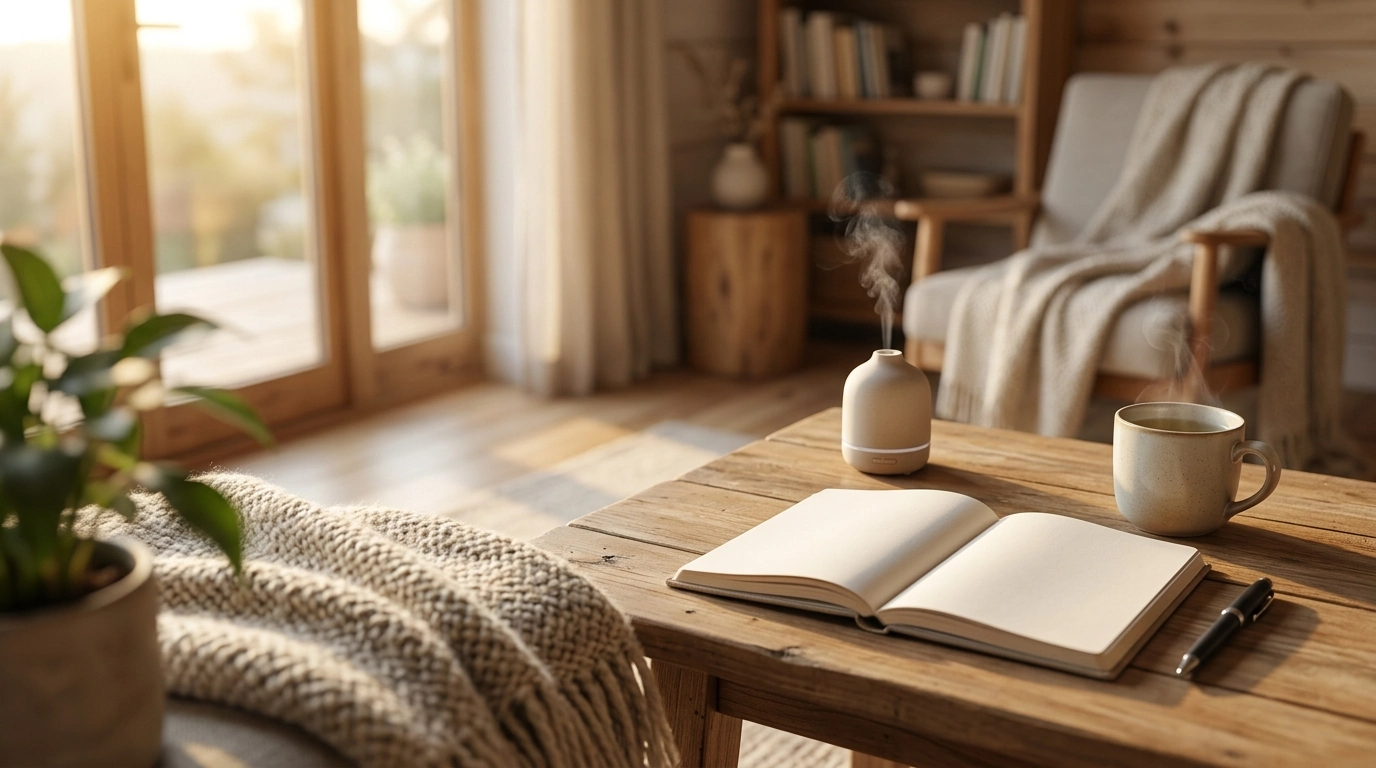
What is the best relief for anxiety?
The best relief for anxiety is usually a layered approach: calm the body fast, steady the mind next, and then build daily habits that lower your baseline stress over time. What works “best” depends on the type of anxiety (situational vs. ongoing), your triggers, and how your body responds, but the most reliable results come from combining quick-acting tools with consistent routines.
Start with fast, body-based relief
When anxiety spikes, your nervous system is in high alert. Simple physical resets can reduce symptoms quickly: slow breathing (longer exhales than inhales), a brisk walk, splashing cool water on your face, or progressive muscle relaxation. These techniques help signal safety to the body, which often makes racing thoughts easier to manage.
Add practical mental strategies
Once the intensity drops, use a structured technique to prevent the spiral. Try labeling the feeling (“this is anxiety”), writing down the specific worry, and listing one small next step you can take today. Limiting caffeine, alcohol, and doomscrolling can also reduce the fuel that keeps anxious loops going.
Build a short plan you can repeat
Consistency is where real relief tends to stick. A simple plan might include a 5–10 minute daily grounding routine, scheduled movement, a wind-down sleep ritual, and a “worry window” that contains rumination to a set time. If anxiety is persistent, disruptive, or paired with panic attacks, professional support (therapy and, when appropriate, medication) can be a game-changer.
For a structured, step-by-step approach that combines fast tools with a repeatable routine, see the full guide here: Anxiety Relief Bundle 4-in-1 Toolkit + 7-Day Plan.
For Best Relief for Anxiety: Fast Calming + Daily Plan, the best answer depends on fit, material, care instructions, and how the product will be used day to day.
FAQ
How can I calm anxiety naturally in 5 minutes?
Try “physiological sigh” breathing: inhale, top up with a short second inhale, then exhale slowly and fully for 6–8 seconds, repeating for 2–3 minutes. Pair it with unclenching your jaw and dropping your shoulders to reduce physical tension quickly.









Leave a comment