Solo Travel Safety: Smart Habits + Printable Checklist
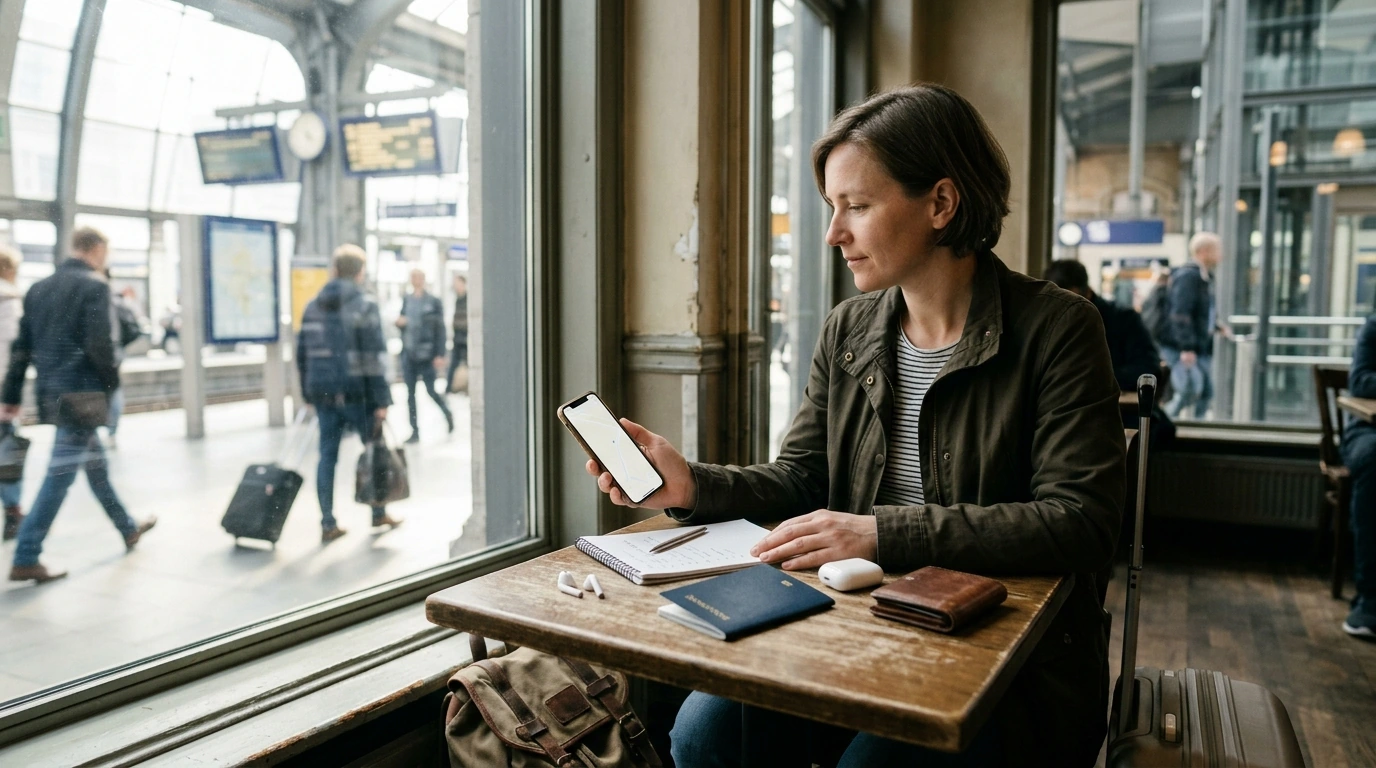
Solo Traveler’s Guide to Staying Safe: Practical Planning, Smart Habits, and a Ready-to-Use Checklist
Solo travel can feel empowering and freeing, but it also concentrates decision-making on one person. A simple safety system—before departure, on arrival, and day-to-day—reduces risk without draining the fun. The goal is to lower exposure to common problems (theft, scams, getting stranded, digital account lockouts) while keeping your schedule flexible and enjoyable.
For destination updates and official guidance, it helps to check authoritative sources like the U.S. Department of State and CDC Travelers’ Health before you go.
Start with a simple risk plan (before booking)
Safety starts earlier than packing. When the trip fits your comfort level, you spend less energy “managing” the destination and more energy enjoying it.
- Match destination to comfort level: First-time solo travelers often do best with strong public transit, walkable neighborhoods, and clear tourist infrastructure.
- Research common issues: Look up pickpocketing zones, nightlife scams, taxi fraud, and seasonal hazards. Plan around them rather than canceling the trip.
- Share a “living itinerary”: Send where you’ll stay, a rough daily plan, and how often you’ll check in. Keep it flexible but consistent.
- Budget for safety: Leave room for a rideshare/taxi, better-located lodging, or last-minute changes when your gut says “not tonight.”
Book smarter: lodging and location choices that lower hassle
Most solo-travel stress comes from avoidable friction: arriving late, staying far from transit, or dealing with unclear check-in. Choosing convenience is often the safest choice.
- Prioritize location over luxury: Pick areas with reliable transit, good lighting at night, and appropriate foot traffic.
- Check access control: Look for 24/7 reception (or clear self-check-in), secure entry, in-room safes, and responsive management.
- Avoid predictable routines: Vary departure times when possible and don’t publicly post real-time location details.
- Arrive in daylight when feasible: Navigation is easier, and you’ll have more backup options if plans change.
Arrival routine: set up safety on day one
A short “arrival routine” makes the rest of the trip smoother. It turns an unfamiliar area into a set of known anchors you can rely on.
- Do a quick area scan: Find the nearest pharmacy, late-night store, a well-lit ATM, and a safe place to sit if you need to regroup.
- Confirm local emergency numbers: Not every country uses 911, and some have separate numbers for police vs. medical.
- Keep essentials accessible: Save the lodging address in the local language, screenshot reservation details, and download an offline map.
- Set up low-friction check-ins: One message when you arrive; one when you’re back at your accommodation at night.
Everyday street smarts that prevent most problems
Most issues don’t start as emergencies—they start as small openings: distraction, fatigue, or a moment of uncertainty. A few steady habits close those openings.
- Use “confident uncertainty”: Walk with purpose, but stop in safe, visible places to check maps. Avoid freezing mid-sidewalk with your phone out.
- Control your valuables: Carry only what you need for the day. Keep backup cash/cards separated from your main wallet.
- Watch transitions: Entrances, stations, crowded attractions, and nightlife districts are common spots for opportunistic theft.
- Create a boundary script: Prepare short phrases to end unwanted interactions and move toward staffed areas or well-lit routes.
- Respect alcohol and fatigue: Set a personal limit and decide how you’ll get home before the night starts.
Transportation safety: from airports to late-night rides
Transportation is where solo travelers often feel most exposed—especially with luggage, at night, or in unfamiliar neighborhoods. Build simple checks into each ride.
Quick transportation safety checks
| Situation | Best practice | Backup move if it feels off |
|---|---|---|
| Airport/arrival with luggage | Use official taxi stand or pre-booked transfer; keep phone charged | Go back inside to a staffed area and call your accommodation for guidance |
| Rideshare at night | Verify plate/driver; share trip status with a contact | Cancel and move to a brighter, busier pickup point |
| Public transit in crowds | Bag in front; minimal phone use near doors | Exit at the next stop and wait near staff or cameras |
| Walking after dark | Stick to main roads; avoid shortcuts and headphones | Step into an open business and order a drink/snack while arranging a ride |
Phone, money, and digital protection while traveling
If something goes wrong: calm steps for common scenarios
A ready-to-use checklist for travel security planning
Use the downloadable guide to make safety automatic
If you prefer a system you can save and reuse, Solo Traveler’s Guide to Staying Safe (digital download PDF) organizes planning steps, daily habits, and a ready-to-scan checklist in one place—useful for both first-timers and experienced travelers who want consistency across destinations.
For travelers who feel anxious before or during a trip, The Anxiety Relief Bundle: A Path to Calm can support steadier decision-making with practical exercises and printables. And if you like sharpening on-the-road judgment, Critical Thinking & Problem Solving eBook is a helpful companion for clearer choices under pressure.
FAQ
What are the most important safety steps for first-time solo travelers?
Choose a location with reliable transit and a straightforward arrival plan, then use official transportation and keep check-ins with a trusted contact. Carry minimal valuables daily and keep backups separated so a small loss doesn’t become a trip-ending problem.
How can solo travelers stay safe without feeling paranoid?
Rely on simple habits—good lighting, smart transportation choices, awareness in crowded transitions, and a short boundary script—so safety feels routine rather than constant vigilance. The point is reducing exposure, not eliminating spontaneity.
What should be in a solo travel safety checklist?
Include pre-trip setup (documents, insurance, emergency contacts), arrival steps (offline map, local emergency numbers, nearby safe spots), a daily carry list, and a short response plan for lost phone, stolen wallet, or feeling unsafe.









Leave a comment