Indoor Cat Enrichment Toys: Best Picks for Busy Cats
What are some good enrichment toys for indoor cats?
Good enrichment toys for indoor cats are the ones that encourage natural instincts like hunting, stalking, pouncing, climbing, scratching, and problem-solving. A smart mix of “active play” toys and “independent play” toys keeps boredom down and helps prevent unwanted behaviors like nighttime zoomies or destructive scratching.
Interactive wand toys for hunter-style play
Wand toys with feathers, ribbons, or bug-like lures are classics because they let you mimic prey: hide behind furniture, dart across the floor, then “let the cat catch it” at the end. Rotating a few wand attachments helps maintain novelty without buying a whole new toy every week.
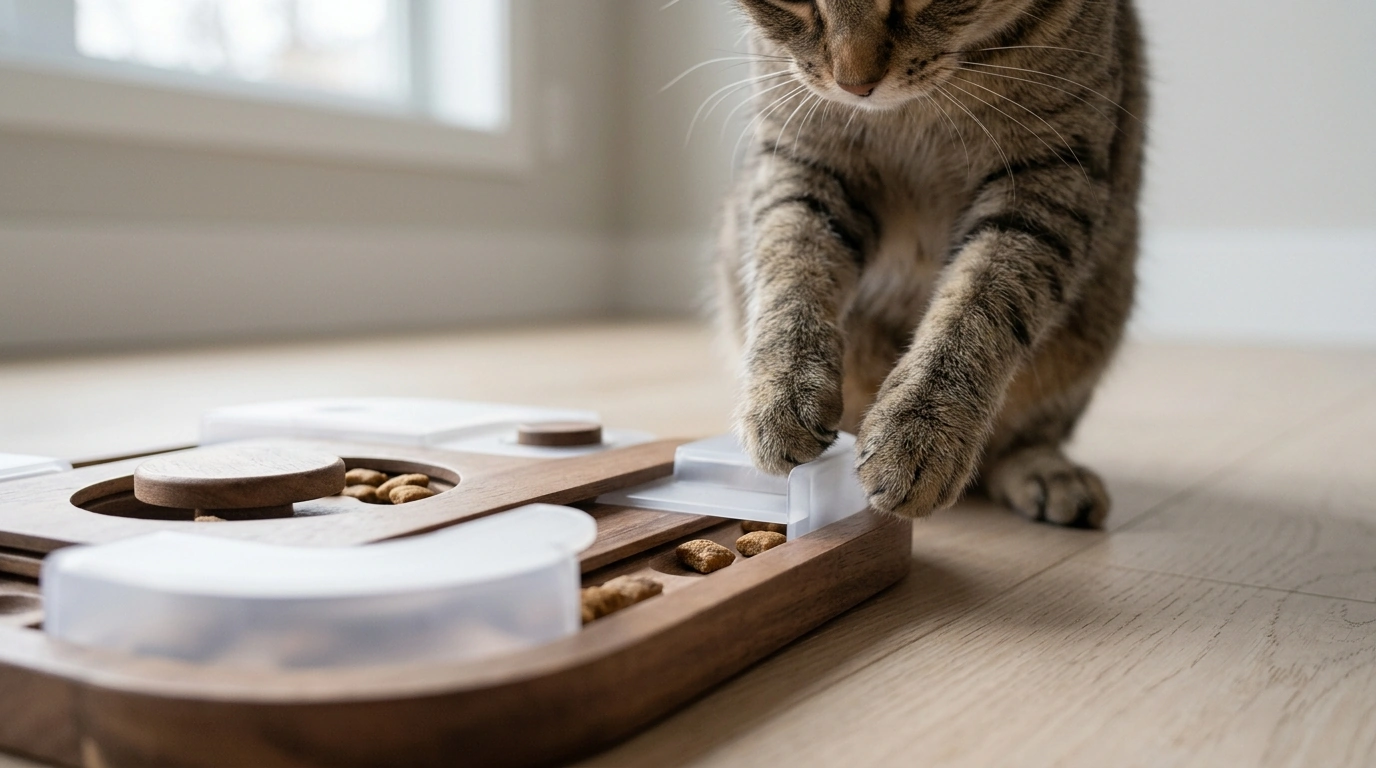
Treat puzzles and food-dispensing toys
Puzzle feeders, treat balls, and lick mats turn snack time into a mini “hunt.” These are especially useful for indoor cats that eat too fast or need extra mental stimulation. Start with easy puzzles and gradually increase difficulty so your cat doesn’t get frustrated.
Ball tracks and motion toys for solo play
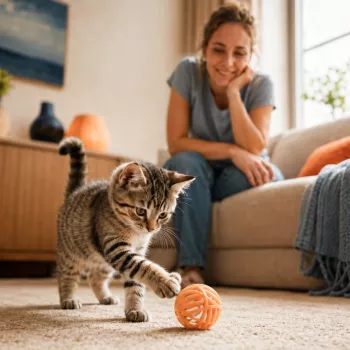
Ball-in-track toys and rolling balls are great when your cat wants to play independently. If your cat loses interest quickly, try toys with unpredictable movement or crinkle sounds, and stash them away between sessions so they feel “new” again.
Catnip, silvervine, and kicker toys
Soft kicker toys encourage bunny-kicking and wrestling, which can be a healthy outlet for energy. Many cats respond strongly to silvervine (even if catnip doesn’t work), so having one of each type can help you discover what your cat prefers.
Scratching and climbing add “environmental” enrichment
Not all enrichment is a handheld toy. Sturdy scratchers (horizontal and vertical) and a cat tree or wall-mounted climbers give indoor cats ways to stretch, mark territory, and perch up high—key needs for many cats.
For more toy ideas and tips on keeping indoor cats engaged, visit the main guide on enrichment toys for indoor cats.
FAQ
How often should I rotate my cat’s toys?
Rotate every 3–7 days by putting most toys away and leaving out a small selection. This keeps familiar toys exciting and helps prevent boredom without constant new purchases.











Leave a comment